
01
Bundling
Members are bundled by type and length, with bundle weights and lifting points recorded so the container plan and site crane capacity match the load.
Export Packing & Container Loading
Component weights, lengths, finish and the unloading order at site decide how members are bundled, protected and loaded into containers.
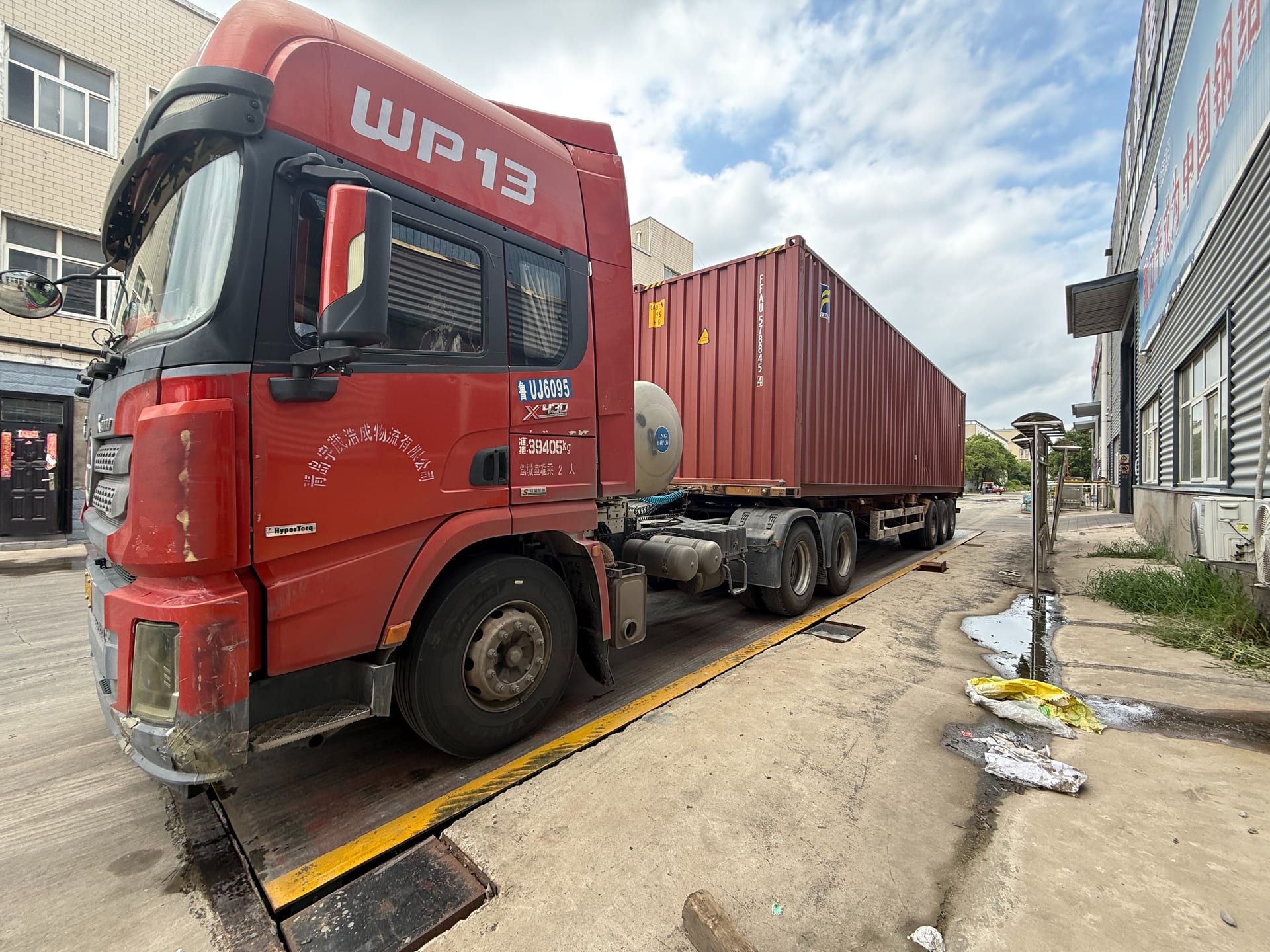
Export Readiness
Packing is planned from the member list, not from an estimate. Bundles are grouped so the container plan and the crane capacity at site both match the delivered load.
01
Members are bundled by type and length, with bundle weights and lifting points recorded so the container plan and site crane capacity match the load.
02
Every bundle carries a piece mark, bundle number and project reference that match the packing list and the erection drawings.
03
Connection faces, machined surfaces, coated edges and insulated panels are protected for sea freight. Loose parts are packed and itemised separately.
04
Loading plans use 40HQ, 40OT or 20GP containers, with the sequence set by component weight, length and the unloading order at site.
Approved shipment media
The approved media documents loading preparation without stating a customer, destination or project identity.
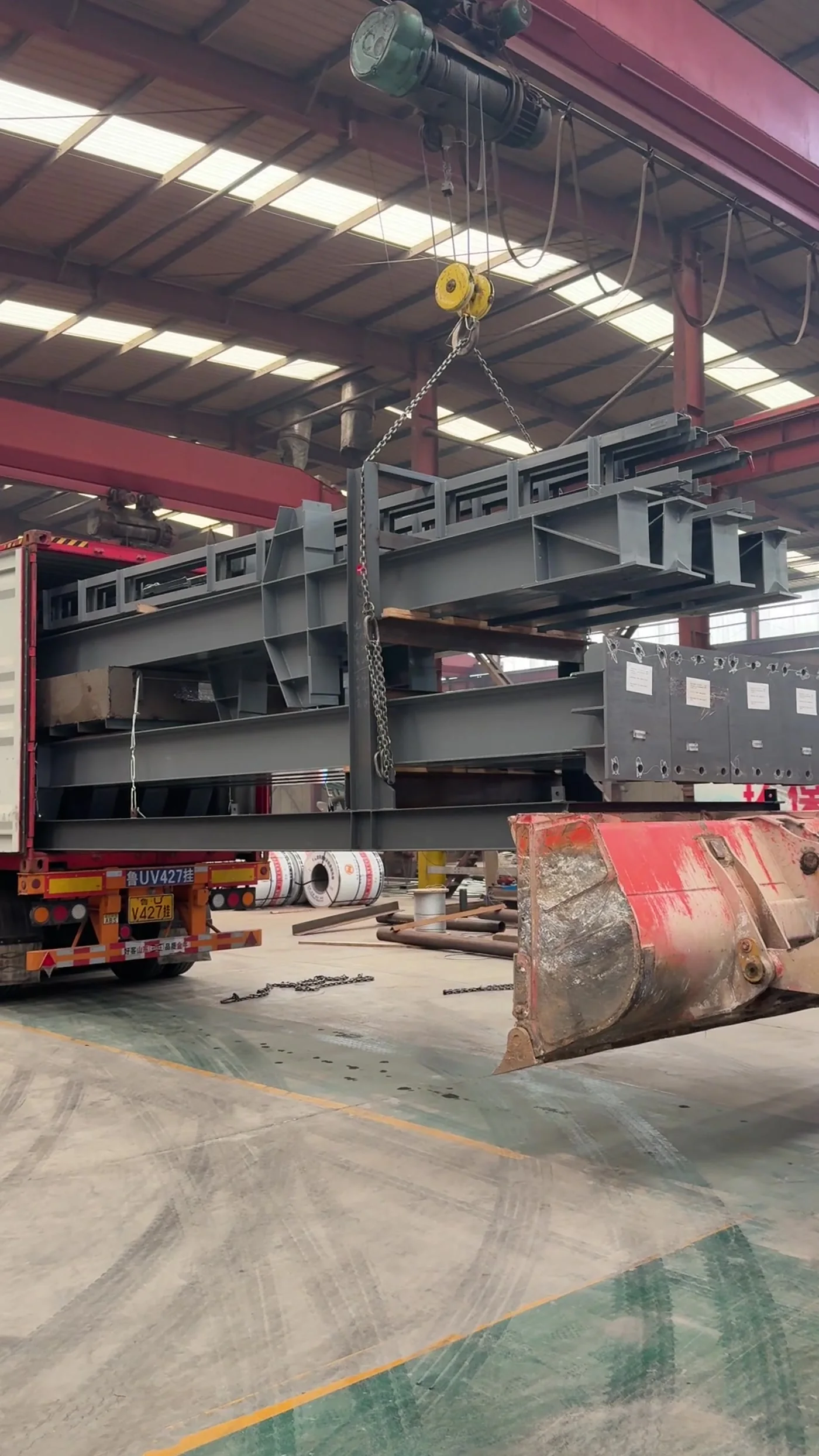
Fabricated steel components shown in an approved transport-preparation photograph.
Loading preparation is shown without unconfirmed customer, destination or project claims.
Loading Plan
A loading plan is prepared from the component list and the container that has actually been booked, so the sequence on site matches the sequence in the container.
Component lengths, weights and quantities set the loading sequence and decide which container types can carry the longest members without over-length charges.
40HQ containers carry most standard members. 40OT open-top containers handle tall or wide sections that cannot be loaded through a standard door opening. Small or short-run orders can load into 20GP containers.
Bundles are kept within the crane capacity expected at the destination site, with lifting points marked so unloading does not require re-slinging member by member.
Timber dunnage, steel strapping and separation between coated surfaces are planned per bundle so painted or galvanized members do not rub through in transit.
Documentation
The shipment paperwork is prepared so the receiving team can match bundles on the ground to the list in hand.
Information Required
Send these with the drawings or BOQ and the loading plan can be prepared before fabrication finishes.